
Immuno-Structural Reconstruction, Regenerative Processes, and Immune Tolerance Modulation
An Advanced Biotechnology Platform for Extreme Environments and Operational Autonomy.
In conditions of prolonged isolation, high-energy radiation exposure, microgravity simulation, and chronic oxidative stress, conventional therapeutic systems reach critical limits in efficacy, safety, and regulatory traceability.
The PLPC™ Platform delivers an integrated, scalable, and low-risk architecture that combines localized immuno-structural reconstruction, promotion of cellular and tissue regenerative processes, modulation of immune tolerance mechanisms, and AI-assisted precision molecular nutrition — all with autonomous regulatory traceability based on New Approach Methodologies (NAM).
Explore CollaborationVideo 1. Immuno-Structural Reconstruction Overview.
The Challenges of Extreme Environments
Operations in high-demand settings — including simulated microgravity, controlled high-energy radiation exposure, chronic oxidative stress, and extended isolation — generate multifaceted disruptions that severely compromise:
- Functional immune competence
- Cellular and tissue regenerative processes
- Mechanisms of immune tolerance and inflammatory homeostasis
- Metabolic and cognitive equilibrium
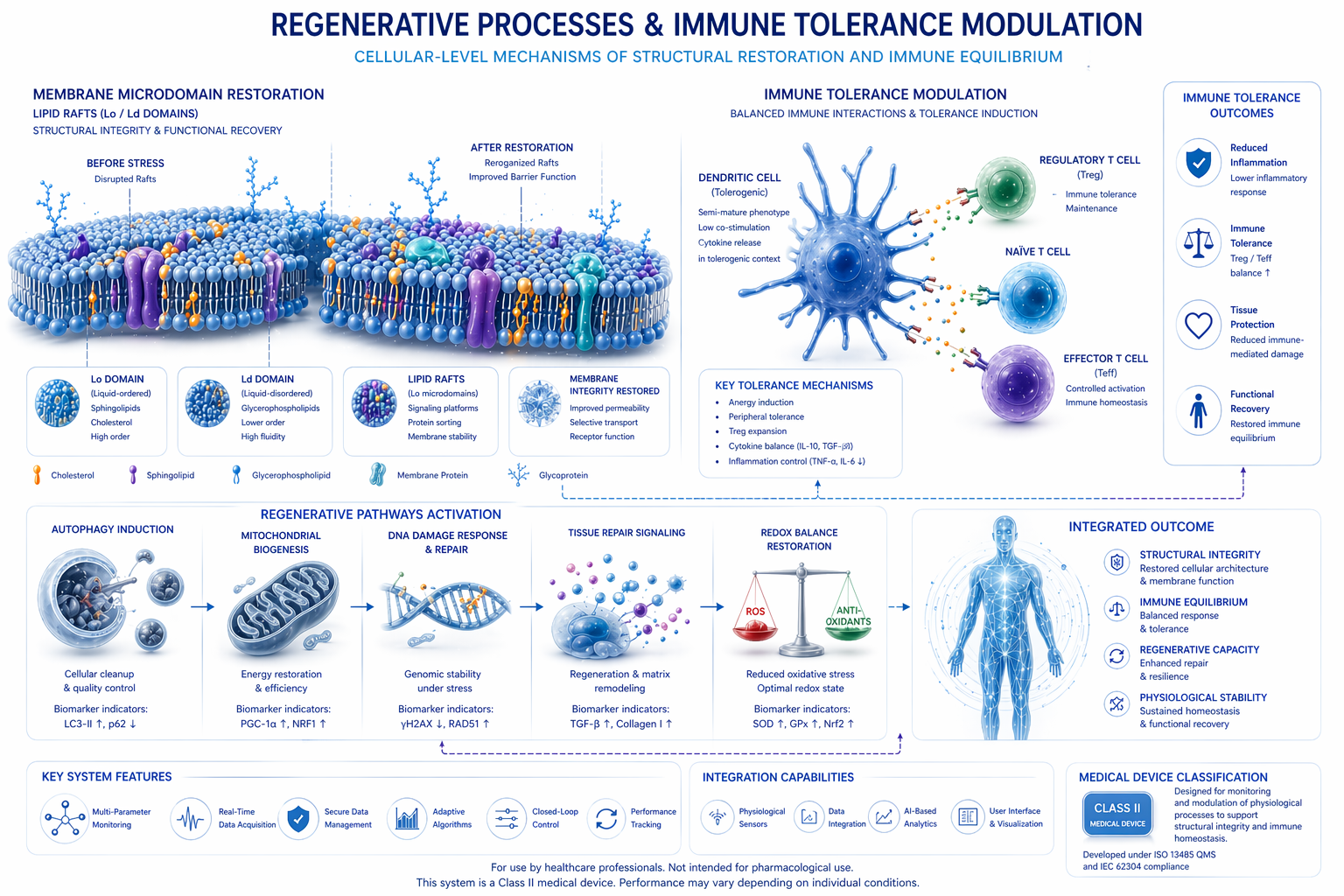
Fig 1. Simulation of extreme operational environments.
In these scenarios, conventional systemic approaches encounter insurmountable barriers: cumulative toxicity, dependence on continuous external support, logistical complexity, and regulatory constraints that prevent true operational autonomy.
The PLPC™ Platform – Integrated Advanced Architecture
The PLPC™ Platform represents a next-generation biotechnology infrastructure that addresses these challenges through three synergistic pillars under a unified intellectual property core:
Video 2. Core Architecture of the PLPC™ Platform: Integrated immuno-structural regeneration.
PILLAR I
Immuno-Structural Reconstruction
(PLPC-DB™ / PLPC-MN™)
A Class II medical device platform that operates through localized physical mechanisms. It restores immune cell architecture while supporting regenerative processes at the membrane level, without systemic exposure.
PILLAR II
Precision Molecular Nutrition
(PLPC-NX™)
An AI-assisted system of circadian-optimized formulas that dynamically supports metabolic balance, redox homeostasis, and regenerative pathways in real time, using physiological sensor data.
PILLAR III
Autonomous Traceability
(STIP™)
A NAM-based platform that generates functional ex vivo evidence and auditable documentation. It enables regulatory compliance and supports immune tolerance modulation even in low-connectivity.
Core Architectural Advantage Only this platform enables the coherent and scalable integration of immuno-structural reconstruction, promotion of regenerative processes, modulation of immune tolerance, and AI-driven molecular nutrition — with demonstrated environmental stability of 18–24 months without cold chain.
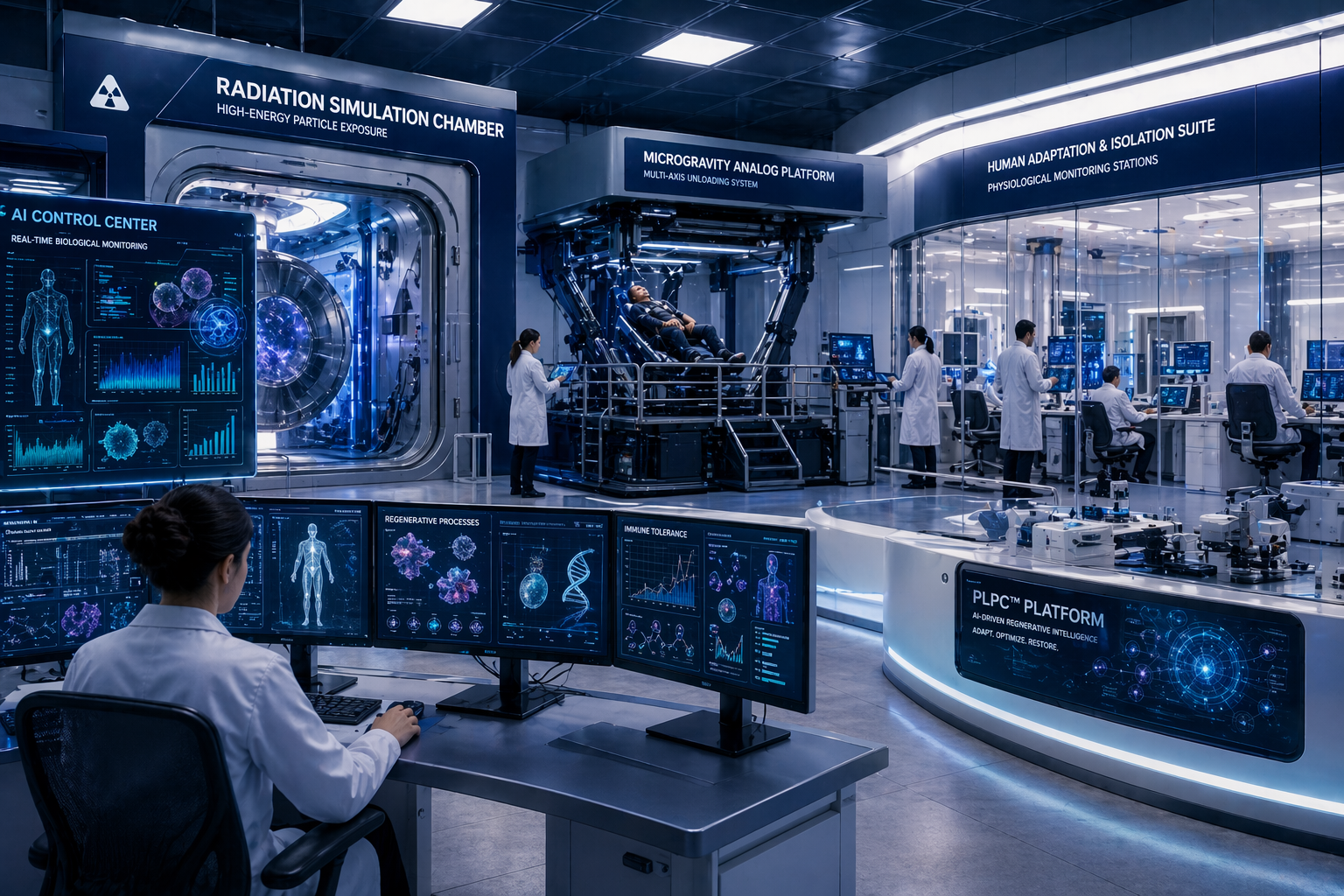
Fig 2. Cellular-level visualization of membrane microdomain restoration.
| Pillar | Primary Function | AI / IoT Integration | Strategic Application |
|---|---|---|---|
| Reconstruction | Restoration of immune architecture | Edge AI + sensors | Support under radiation |
| Nutrition | Metabolic optimization | Predictive models | Functional equilibrium |
| Traceability | Functional evidence generation | AI kinetic analysis | Regulatory compliance |
Strategic Applications in Advanced AI Projects
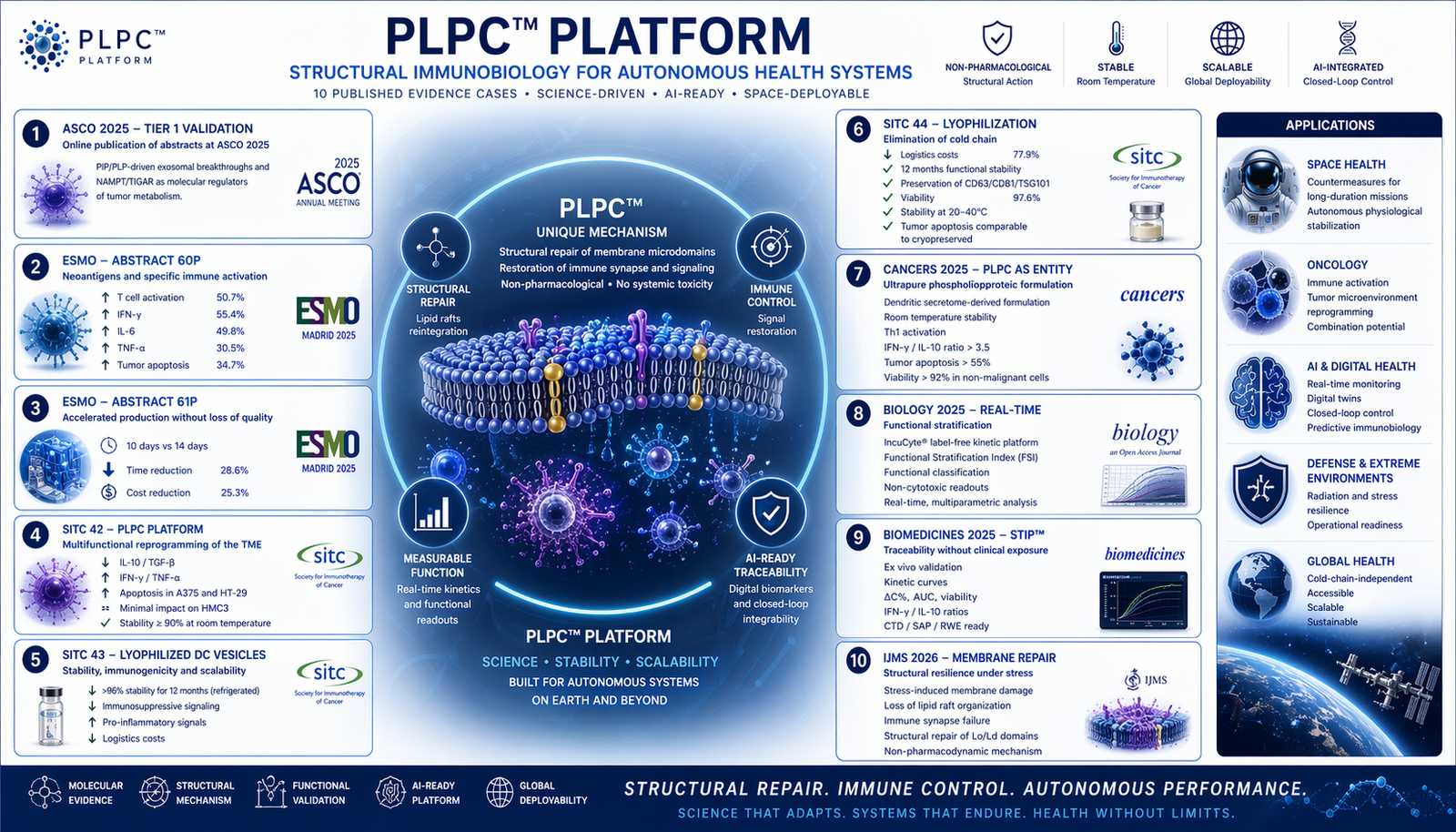
Fig 3. Closed-Loop AI and IoT Integration Framework.
The PLPC™ Platform is specifically engineered for integration into high-complexity artificial intelligence initiatives focused on human performance and health in demanding environments, where autonomy, predictability, and traceability are non-negotiable requirements:
- Advanced life-support systems in extreme-environment simulation facilities
- Continuous monitoring and adaptive modulation platforms for remote operations
- Human performance optimization programs under multifactorial stress
- Precision regenerative medicine infrastructures
Its modular architecture supports closed-loop solutions that combine real-time biometric data, causal AI models, and controlled delivery of structural and nutritional components.
Why This Platform Delivers a Decisive Advantage
What sets the PLPC™ Platform apart is the mature functional convergence of technologies that traditionally operate in isolation:
- Non-pharmacodynamic structural mechanism with localized action
- Active support of cellular and tissue regenerative processes
- Balanced modulation of immune tolerance mechanisms
- AI-optimized molecular nutrition with circadian protocols
- Autonomous regulatory traceability through NAM
This unique integration is made possible only by its central intellectual property core. Any attempt to replicate it would require years of additional development.
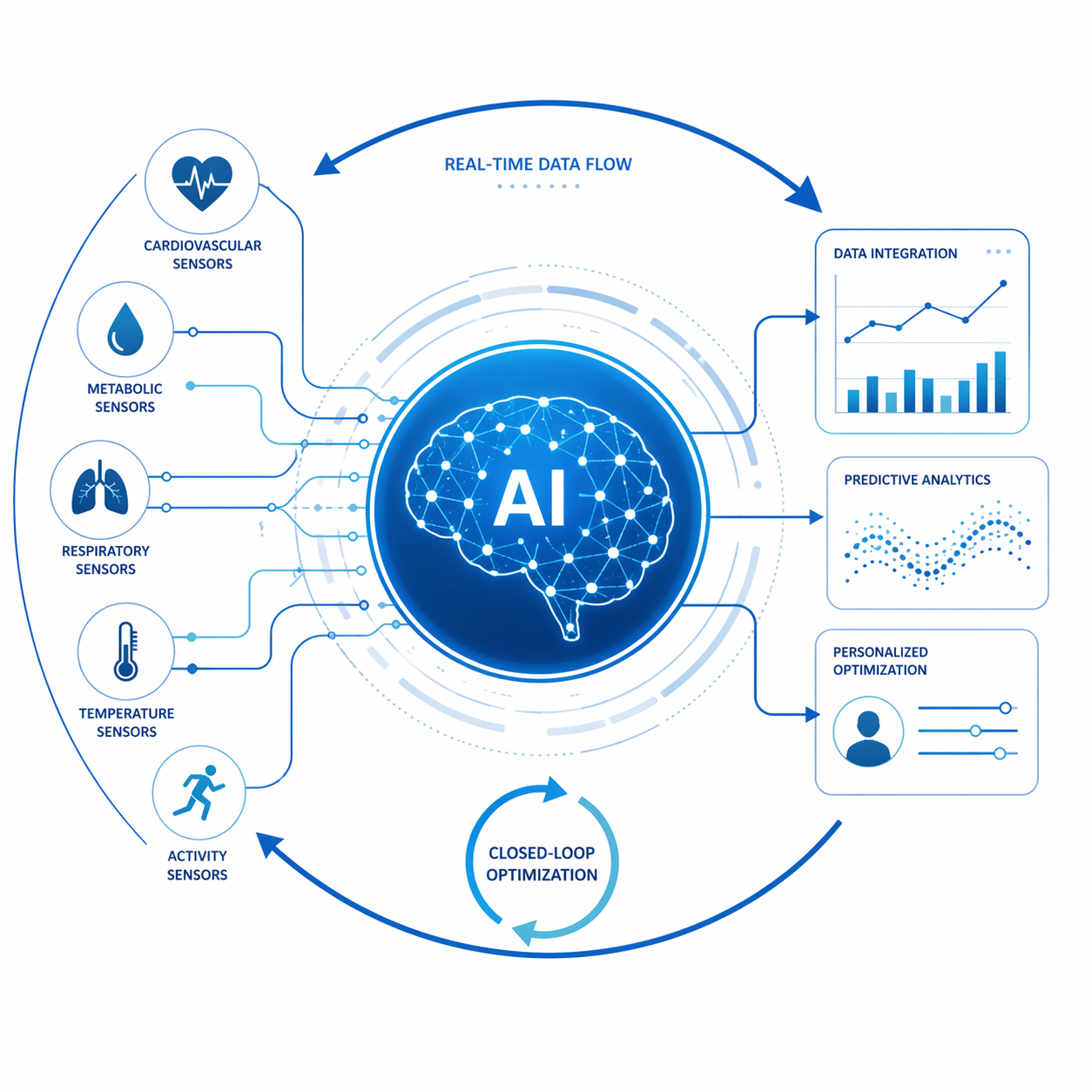
Fig 4. Conventional Approaches vs. PLPC™
Operational Autonomy in Action
Experience the structural mechanisms and deployment systems engineered for extreme environments.
Video 3. Technical deployment and platform visualization.
Invitation to Strategic Collaboration
Organizations and consortia leading artificial intelligence initiatives in human health under extreme conditions will find in the PLPC™ Platform a mature, validated, and integration-ready biotechnology infrastructure.
Primary Actions
- Initiate technical dialogue on integration with predictive AI and IoT systems
- Access confidential executive briefing
- Schedule a strategic discussion with the development team